The short answer
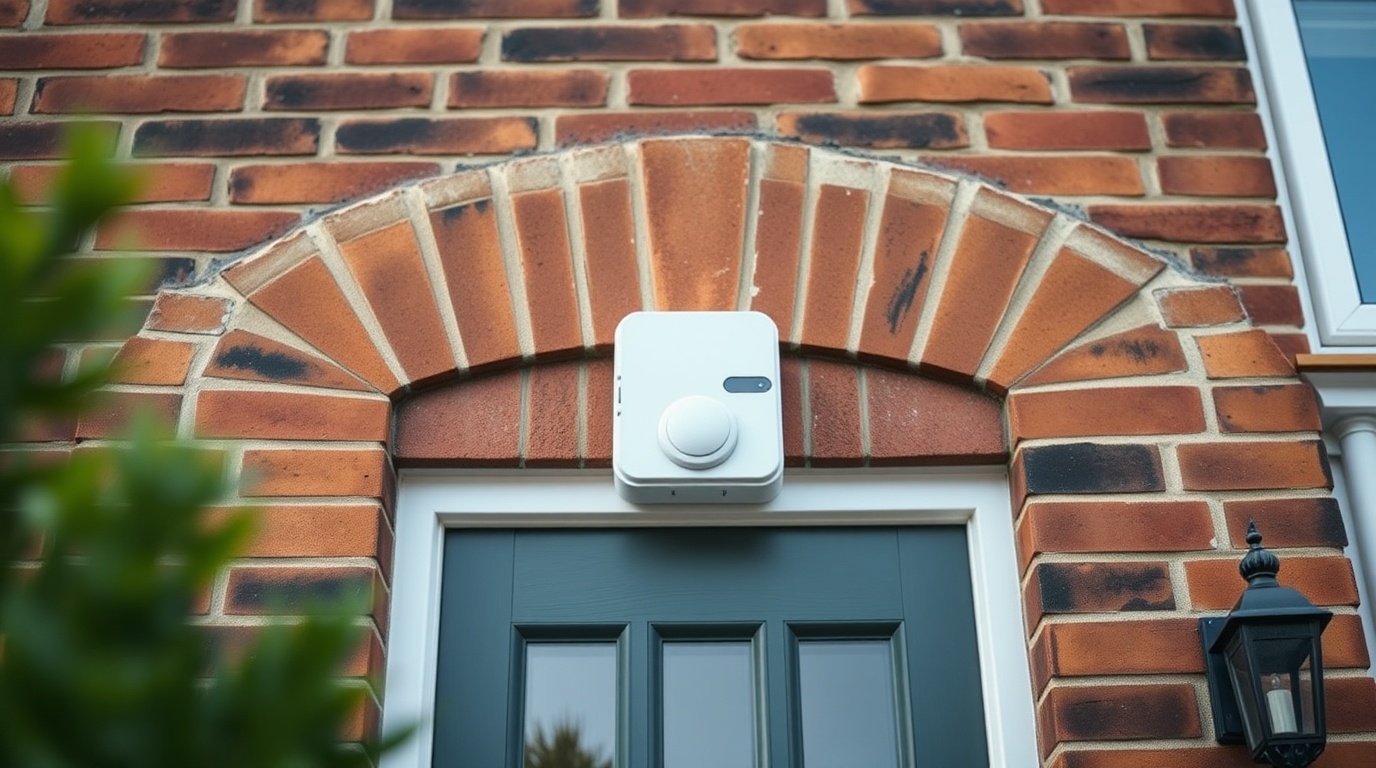
A dummy alarm box can deter an opportunist burglar because the visible box suggests detection, but it offers no real protection and experienced intruders can often tell a fake from a working system. Much of an alarm's deterrent comes from the visible external box and signage — a burglar choosing between targets tends to avoid one that looks alarmed. A convincing dummy box plays on that, and for casual, opportunist intruders it may help. The limits are real: a dummy does nothing if someone breaks in — no siren, no detection, no alert — and seasoned burglars look for tell-tale signs of a fake (no flashing strobe, generic branding, no real cabling or recognised maker). It is a low-cost visual deterrent, not security, and it will not satisfy any insurer.
Dummy alarms occupy a narrow niche — cheap visual deterrence with no substance. The sections below explain when they help, how they are spotted, and where a real system is needed.
Dummy alarms
- Deterrent valueSome, against opportunists
- Real protectionNone
- Detection/sirenNo
- Spotted by prosOften
- Insurer acceptableNo
Why a dummy box can deter
A large part of an alarm's deterrent effect is visual. Surveys and police guidance consistently note that visible security measures influence which homes burglars avoid — a property that looks alarmed and watched is a less attractive target than an obvious soft one next door. A dummy alarm box exploits this: a realistic-looking external siren box, ideally with a flashing LED, signals 'this house may detect and alert' to a passer-by sizing up targets.
For opportunist intruders — those acting on impulse and choosing the easiest option — that visual signal may be enough to move them on. In that narrow sense, a convincing dummy can have some deterrent value at very low cost. The effect depends entirely on the box looking genuine and the rest of the home not contradicting it (an obviously empty, insecure property undermines the bluff).
How burglars spot a fake, and what it cannot do
Experienced burglars learn to read alarm boxes, and dummies have tells. A real self-actuating bell box from a recognised maker has specific features — a flashing strobe, a tamper-protected cover, often a back-up battery and a known brand — whereas cheap dummies use generic housings, may lack a convincing flashing light, and show no sign of real cabling or a maintenance label. A box with no recognised branding, or one that looks weathered and dead, can actually signal 'fake' to someone who knows what to look for.
More importantly, a dummy does nothing if challenged. If an intruder ignores it and breaks in, there is no detection, no siren, no strobe and no alert — the house is completely unprotected. It cannot summon help, record anything, or disrupt the break-in. And because it is not a real, graded system, it will not satisfy any insurer that requires an alarm, so it offers no help with cover. The table sets out the contrast.
| Feature | Dummy box | Real alarm |
|---|---|---|
| Looks like an alarm | Yes (if convincing) | Yes |
| Detects a break-in | No | Yes |
| Sounds a siren | No | Yes |
| Alerts you or a centre | No | Yes (if monitored) |
| Spotted as fake by pros | Often | No |
| Accepted by insurers | No | Yes (if graded/approved) |
What a dummy box offers versus a working alarm system.
When a dummy makes sense — and better alternatives
A dummy alarm is a reasonable choice only as a low-cost supplementary deterrent where a real system is not justified — for example on a low-value outbuilding, or as one visible cue among several. It should never be the sole security on a home you actually want protected, and it is no substitute for an alarm where deterrence-and-response or insurance compliance matters.
If the goal is genuine, low-cost deterrence, there are stronger options than a fake box. Good physical security (solid locks to relevant standards, well-fitted doors and windows), visible signage for a real or monitored system, security lighting, and trimming cover that hides entry points all deter while doing something real. A basic but working bells-only alarm costs more than a dummy but gives actual detection and noise. The honest verdict: a dummy can nudge an opportunist, but it is appearance only — for real protection, even an entry-level working alarm is a better use of money.
Layered deterrence: what police advice actually emphasises
It helps to see a dummy box in the context of how burglars actually choose targets. Police crime-prevention advice consistently frames home security as layers that make a property look occupied, watched and hard to enter, because most domestic burglaries are opportunist rather than carefully planned. The visible alarm box is only one cue among several, and a dummy contributes nothing to the others. Signs of occupancy — lights on timers, a car on the drive, no parcels piling up — a well-kept boundary with no easy cover to hide behind, gravel that crunches underfoot, secure side gates, and good outdoor lighting all push an opportunist towards an easier target. A fake box sitting above an otherwise soft, obviously empty house is a bluff that the rest of the property contradicts.
The sharper point is that the measures which deter also protect, whereas a dummy only pretends to. Upgrading door and window locks to recognised standards, fitting solid doors, securing the rear and sides (where many break-ins actually happen), and adding a real but modest bells-only alarm each do something concrete if the bluff is called. Spending the same money on layered, working deterrence buys both the deterrent appearance and genuine resistance, which is why most guidance treats a fake alarm as, at most, a minor add-on rather than a security measure in its own right. If a home is worth deterring intruders from, it is worth one real layer of protection rather than a convincing-looking empty shell.
Frequently asked questions
Are dummy alarm boxes worth fitting?
Only as a cheap, supplementary visual deterrent against opportunist intruders, and never as the sole security on a home you want protected. They provide no detection, siren or alert, are often spotted as fake by experienced burglars, and will not satisfy any insurer that requires an alarm.
How do burglars tell a real alarm from a fake?
By the details: a real bell box usually carries recognised branding, a flashing strobe, tamper protection and signs of proper installation, while cheap dummies use generic housings, may lack a convincing light, and show no real cabling or maintenance label. A dead-looking, unbranded box can read as fake.
Will a dummy alarm affect my home insurance?
No, and it can be misleading to rely on. A dummy is not a real system, so it cannot meet any policy condition requiring an alarm, and it does nothing for a claim. If your insurer specifies an alarm, only a genuine system — often graded and approved-installed — will satisfy it.
Sources & further reading
Figures on this page are typical UK ranges drawn from published sources and depend on your specific property and system. They are guidance, not a quotation.