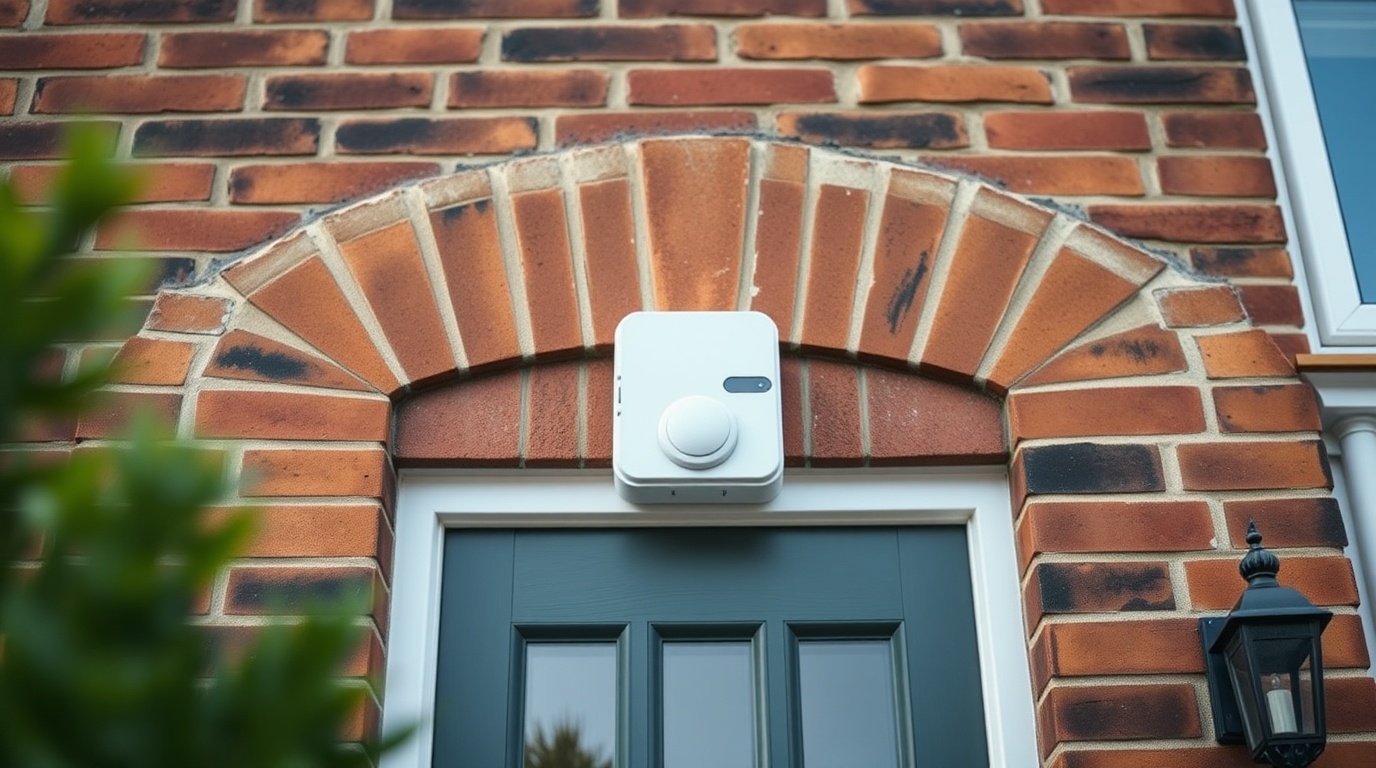
The short answer
Fitting an intruder alarm can lower a home insurance premium, often by around 5–10%, but it is not automatic and the saving varies by insurer. Many insurers only recognise an alarm — or apply a discount — when it is fitted by an NSI or SSAIB-approved installer and kept under a maintenance contract, because a self-fitted system may not meet the standard they require. Some policies go further and make a working, professionally maintained alarm a condition of cover for higher-risk homes, meaning a claim could be affected if the alarm was not set or serviced. The practical takeaway: check your insurer's wording first, and if a discount or condition applies, use a certified installer and keep the maintenance up to date.
An alarm can help your premium, but the detail is in the policy wording — who fitted it, whether it is maintained, and whether it is a discount or a condition of cover. Here is what to check.
The insurance picture
- Typical saving~5–10% (varies)
- Usual requirementNSI or SSAIB-approved install
- Maintenanceoften required for the discount
- Sometimesa condition of cover, not a discount
- Check firstyour own policy wording
How an alarm affects your premium
A professionally fitted and maintained alarm signals a lower burglary risk, so many UK insurers reflect it with a premium reduction of roughly 5–10% — though the exact figure depends on the insurer, your postcode and the rest of your risk profile. The discount is usually tied to the system being installed by an NSI or SSAIB-approved company and kept under a maintenance contract; a DIY or uncertified system may not count and can, in some cases, affect manufacturer warranties too. Always confirm with your insurer what they will recognise before assuming a saving.
| Situation | Effect on insurance |
|---|---|
| NSI/SSAIB-approved, maintained alarm | May reduce premium (~5–10%) |
| Self-fitted / uncertified alarm | May not be recognised |
| Higher-risk home | Alarm may be a condition of cover |
| Alarm not set or serviced | A claim could be affected |
General guidance — confirm your own case with your insurer. Sources: trade and certification guidance.
When an alarm becomes a condition, not a perk
For some properties — higher-value homes, certain postcodes, or homes left empty for long spells — an insurer may make a working, professionally maintained alarm a condition of the policy rather than a route to a discount. If that applies, the alarm must usually be set when the house is unoccupied and serviced under contract, or a burglary claim could be challenged. This is why it pays to read the policy's security requirements carefully and keep evidence of installation and maintenance, rather than treating the alarm purely as a saving.
Frequently asked questions
Do burglar alarms reduce home insurance?
They can — often by around 5–10% — but it is not automatic and varies by insurer. Many insurers only recognise an alarm fitted by an NSI or SSAIB-approved installer and kept under a maintenance contract.
Does the alarm have to be professionally installed for an insurance discount?
Usually yes. Many insurers require an NSI or SSAIB-approved installation, because a self-fitted system may not meet the standard they need. A DIY install can also affect the discount and some warranties.
Can an alarm be a condition of my insurance rather than a discount?
Yes. For higher-risk homes, an insurer may make a working, maintained alarm a condition of cover — meaning it must be set and serviced, or a claim could be affected. Check your policy wording.
Sources & further reading
Figures on this page are typical UK ranges drawn from published sources and depend on your specific property and system. They are guidance, not a quotation.