The short answer
For most UK homes a burglar alarm is worth the money as a visible deterrent, though the value depends on the type and how it is used. A prominent external bell box signals that a property is protected, and security guidance consistently treats visible alarms as part of an effective deterrent alongside good locks and lighting. The financial case is strongest where an alarm reduces the chance of a loss or satisfies an insurer's requirement. A bell-only system gives deterrent value with no running cost, while a monitored system adds a real response when no one is home, at the price of a subscription. The worth is most fairly judged against your property, contents and absence patterns. These are general points, not a valuation.
Whether an alarm is worth it is a fair question, because the costs are real and the benefit is partly preventive. The points below help you weigh the value for your own situation.
Weighing the value
- Main benefitvisible deterrent + response
- Bell-only running costeffectively £0
- Monitored running costsubscription + maintenance
- Insurancemay be required for some homes
- Most value whenhome is regularly empty / higher risk
The deterrent case
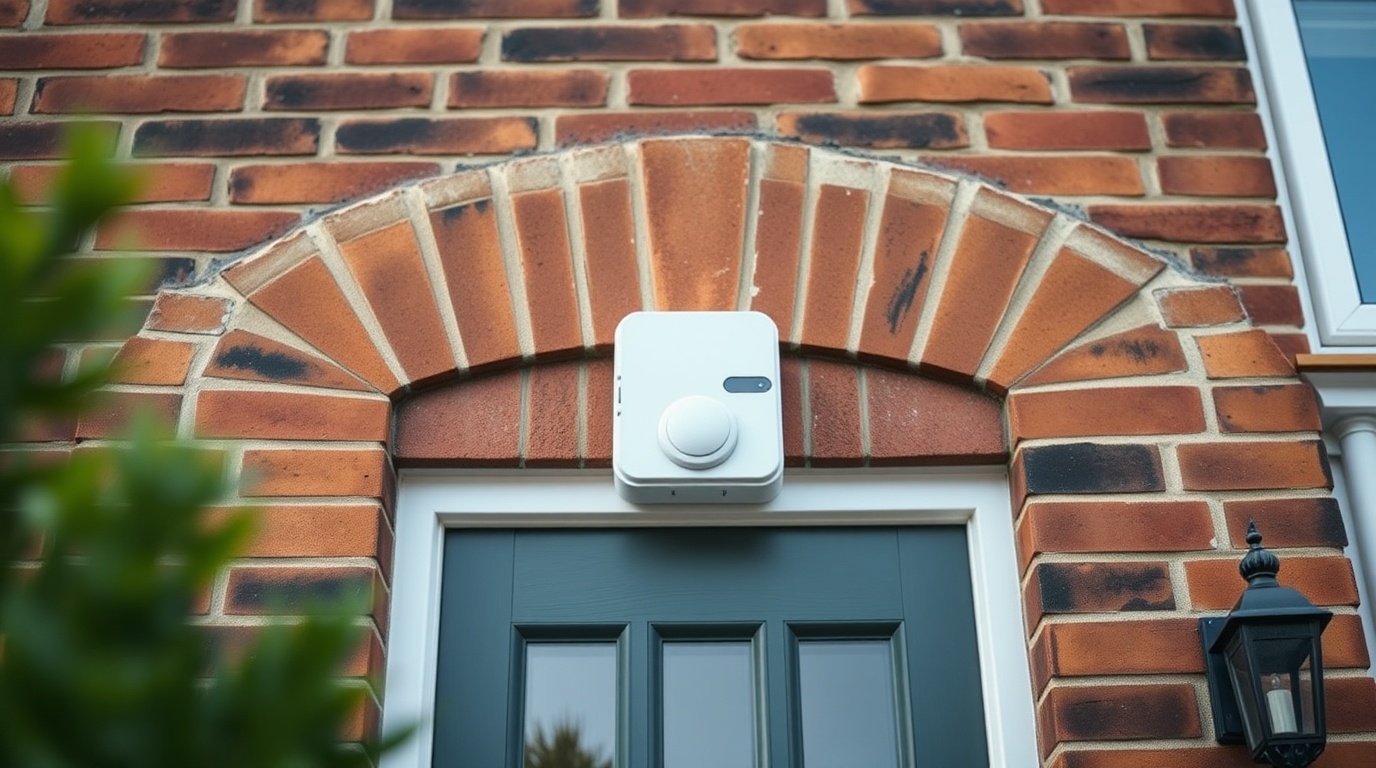
The clearest value of a burglar alarm is deterrence. Police and security bodies consistently advise that opportunist burglars look for easy, low-risk targets, and a visible alarm raises the perceived risk of being caught. A prominent, well-sited external bell box with a strobe, combined with good locks, lighting and the appearance of occupancy, makes a property a less attractive choice than an unprotected neighbour. The deterrent works before anyone breaks in, which is precisely where the value lies — preventing the event rather than reacting to it.
This is why even a bell-only system has genuine worth. It carries no monitoring subscription, so beyond the occasional service its running cost is effectively zero, yet it still presents the visible signal that deters. For many homes in lower-risk areas, a fitted bell-only alarm is a proportionate, sensible spend: real deterrent value without an ongoing bill. The Secured by Design initiative, run with UK police, treats recognised security products as part of designing out crime, and an alarm fits naturally into that layered approach.
The deterrent also works alongside how a property presents itself. Security guidance consistently frames an alarm as one element of layered security — solid doors and frames, good-quality window and door locks, lighting that removes dark approaches, and the everyday habits that avoid signalling absence. An alarm raises the perceived risk to an intruder, but a visible bell box above a flimsy back door tells a different story to an experienced burglar than the same box above a well-secured one. The value of the alarm is therefore amplified or diminished by the rest of the home's security, which is why it is rarely sensible to spend on an alarm while neglecting the locks and lighting around it.
The clearest case for an alarm is as a visible deterrent. A prominent external bell box signals to an opportunist that entry carries a risk of noise and attention, and surveys of convicted burglars consistently put a visible alarm among the features that make them choose a different target. That deterrent value applies the moment the box is fitted, before the system is ever triggered, which is part of why even a well-specified bell-only alarm can be money well spent for a lower-risk home.
Insurance and the financial case
The money side has two parts. The first is insurance. Some insurers require a maintained, graded alarm — often installed by an NSI or SSAIB approved company — as a condition of cover for higher-value homes or contents, in which case the alarm is not optional and its cost is simply part of being insurable. More commonly, an alarm is one factor among many an insurer considers; it does not automatically cut premiums, and you should never assume a discount without checking your policy directly.
The second part is the value of avoided loss. A burglary costs more than the stolen items: there is the disruption, the damage from forced entry, the loss of irreplaceable belongings, and the distress. Against that, the cost of a fitted alarm is modest and largely one-off, while a monitored system adds a manageable recurring fee. Whether it pays depends on your risk and what you stand to lose — a regularly empty home with valuable contents in a higher-risk area makes a stronger financial case than an occupied home with little to take.
An alarm also works hardest as one layer in a wider scheme, not a standalone fix. Good physical security — solid locks to BS 3621, well-lit approaches, secure windows and sensible habits — does most of the work of keeping a property hard to enter; the alarm adds detection and response on top. Spending heavily on a high-grade system while leaving a back door on a weak latch is poor value. The fairest way to judge the spend is to ask whether it completes a sensible layered approach for your particular risk, rather than whether the alarm alone is worth it.
| Situation | Likely value | Why |
|---|---|---|
| Home often empty | high | alarm acts when you cannot |
| Higher-value contents | high | more to protect; insurer may require |
| Insurer requires an alarm | essential | condition of cover |
| Occupied home, low-risk area | moderate | deterrent value, lower running cost |
General guidance on when the value is strongest — not a valuation.
When monitoring earns its keep
The step up from bell-only to monitored is where the worth question sharpens, because monitoring carries an ongoing cost. A bell-only alarm relies on someone hearing it and acting; if the home is empty and neighbours are out or ignore it, nothing happens beyond the noise. Monitoring connects the system to a 24-hour alarm receiving centre that follows an agreed escalation — calling keyholders and, for confirmed activations with a police URN, requesting police response. That is a real service doing something when you are not there.
Monitoring earns its keep most clearly when the property is regularly unoccupied, when there are valuable or irreplaceable contents, or when an insurer requires a monitored, graded system. For a home that is usually occupied in a lower-risk area, the deterrent value of a bell-only alarm may be enough, and the subscription harder to justify. The sensible way to decide is to match the system to your actual exposure: bell-only where the risk and absence are modest, monitored where an empty home and higher stakes mean you want the alarm to act, not just sound.
There is also a practical cost-versus-benefit point about response time. A bell-only alarm's value ends at the noise it makes; if no one acts, the deterrent has done its job only if it scared the intruder off. A monitored system extends the value into a verified response, but even then the benefit is in the reliability and speed of that response, not in physically preventing entry. Judging worth honestly means recognising what each tier actually delivers — deterrence for bell-only, deterrence plus an independent response for monitored — and matching that to how exposed your home really is rather than to a general sense of wanting to feel protected.
Response time is where a monitored system can justify its higher cost. A bell-only alarm relies on a passer-by hearing and acting; a monitored system has an ARC assessing the activation within seconds and escalating to keyholders or, for a confirmed alarm on a URN, police. For a home that is empty for long stretches or holds valuable contents, that independent, around-the-clock response is the difference the subscription buys. For a usually-occupied, lower-risk home, the free deterrent of a bell box may already deliver most of the practical benefit, and that is a legitimate, lower-cost answer.
Frequently asked questions
Will a burglar alarm reduce my home insurance premium?
Not automatically. Some insurers require a maintained, graded alarm as a condition of cover for higher-value homes, and a few may factor an alarm into pricing, but you should never assume a discount. Check your policy directly before relying on a saving.
Is a bell-only alarm worth it without monitoring?
Yes, for many homes. A visible bell-only alarm is a genuine deterrent and has effectively no running cost beyond servicing. Its limitation is that it relies on someone nearby hearing and acting, so it is less suited to homes that are regularly empty.
Do burglar alarms actually deter burglars?
Security bodies and police guidance treat a visible, well-sited alarm as part of an effective deterrent, because opportunist burglars favour easier, lower-risk targets. An alarm works most effectively alongside good locks, lighting and not advertising absence, rather than on its own.
Sources & further reading
Figures on this page are typical UK ranges drawn from published sources and depend on your specific property and system. They are guidance, not a quotation.